

Racing blog
What to Look for in a Yearling: The Art and Precision of Buying at the Sales
Friday 22 August
2025
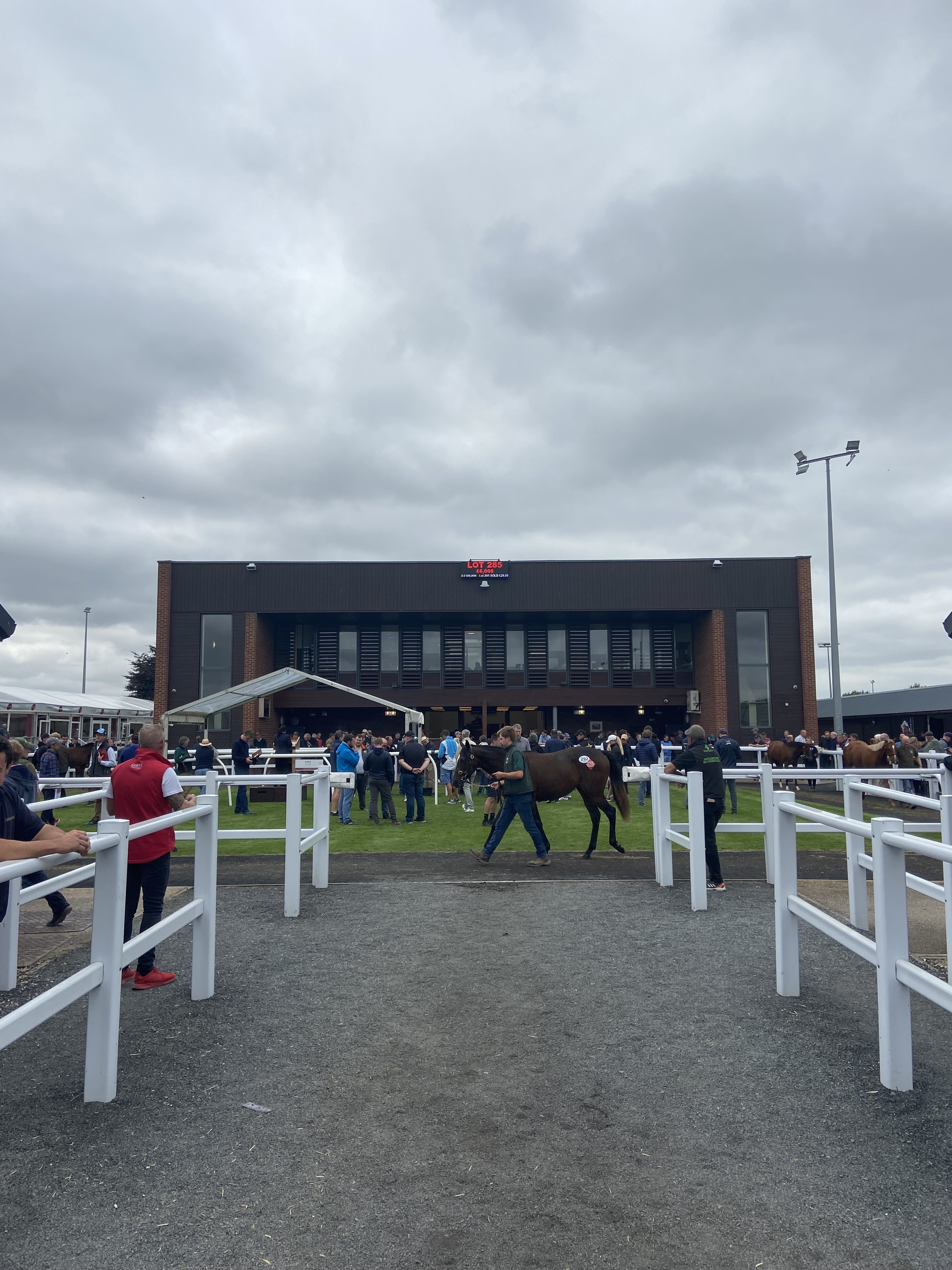
For all the data, videos and breezing times that come with buying racehorses in 2025, the yearling sale remains the purest form of equine investment—and the riskiest. There is no form to inspect, no gallop sectionals to analyse. Just a name in a catalogue, a page of pedigree, a sales ring, and a walk down the lane.
The yearling sale is where good judgement, good fortune, and a good eye collide. And while no formula guarantees success, there are common themes that experienced owners, syndicate managers and agents return to year after year. So what should you be looking for when assessing a yearling?
1. The Physical: 'The Walk' and Beyond
Most decisions at the sales begin with how a yearling looks and moves.
You want a horse that walks forward with purpose—not stilted or rushed, but balanced, swinging loosely through the shoulder and hip. Watch how the hind leg travels underneath; watch the freedom of the forearm. A fluid, straight mover is not a guarantee of speed or soundness, but it's an early tick in the box.
Then comes the body. You’re looking for a balanced frame—neck into shoulder, strong back end, clean limbs, deep girth and good bone. There’s no blueprint, but professionals often talk of “purposeful substance”. A Classic type may look different from a sprinter, but the commonality is athleticism—a yearling that looks like it can carry muscle, develop into its frame, and withstand training.
And beware the catalogue illusion. A €200,000 pedigree can still be attached to an upright, short-coupled horse that might struggle to train. Likewise, a more modest page might belong to a scopey colt with all the angles right.
2. The Pedigree: Page vs Potential
Bloodlines still drive the bidding. But as ever, context is key.
What to look for:
Immediate depth: Does the yearling have siblings or close relations that ran well? A half-brother to a 90+ rated winner is a good sign.
Production record: Has the dam thrown runners who trained on? Some mares produce precocity but no progression; others deliver durability.
Sire compatibility: Match the sire’s traits (speed/stamina/size) with the mare’s record. Some stallions reliably upgrade weaker mares—others need a good base to build on.
Also consider what type of horse the pedigree suggests. Are you looking to win a two-year-old maiden in April, or a mile-and-a-half handicap at Royal Ascot? A sharp Mehmas colt out of a speed mare is a different proposition to a Sea The Stars filly from a Shamardal mare.
Pedigree also affects value. Buyers will pay a premium for fashionable first-season sires, even if their progeny has yet to race. The clever money often lies with proven stallions in quieter years—especially those with a record for improving second-season horses.
3. Type of Sale: Pitching Your Ambition
Whether you’re buying at Tattersalls Book 1, Goffs Orby, Arqana, or further down the scale, the type of sale should align with what you want.
Book 1 / Orby: High-end pedigrees, top physicals, elite consignors. Prices reflect potential Group horses. You’re fishing in Classic waters.
Book 2 / Premier Sale: Still very competitive, but more variance in type. Smart maiden winners, Listed horses and tough handicappers often come from here.
Book 3 and below: Greater risk, more value—especially if you know how to spot an athlete that’s been missed.
4. The Future: What Do You Want the Horse to Be?
Ask this before you buy. Too many go into a sale with the wrong idea—or no idea at all.
Are you:
- Looking for a precocious 2yo to campaign early?
- After a long-term 3yo project to target top handicaps or Classics?
- Building a broodmare prospect?
- Hunting value to pinhook or resell?
Your answer affects everything—from sale selection to conformation tolerance to how much you’re willing to forgive on pedigree or size. An April 2yo type might get away with being a bit light behind; a Derby prospect needs scope, depth, and an engine.
5. Price: The Margin Between Hope and Regret
Budget is reality. But value doesn't mean cheap, and expensive doesn't mean good.
In recent seasons, we've seen Group 1 winners come from every tier:
Paddington: €420,000 – Arqana
Tiger Tanaka: €6,500 – Tattersalls Ireland
Eldar Eldarov: 480,000gns – Book 1
Triple Time: 70,000gns – Book 2
What matters is what you get for your money. If you’re spending £60,000, can you find a well-moving colt with a useful page and clean X-rays? If you're spending £200,000, are you competing for a future stallion prospect or just overpaying?
And remember, the sales ring is theatre. It’s designed to provoke emotion. If you're not careful, the adrenaline wins.
6. Provenance: Consignors and Preparation
Don’t underestimate the impact of where the horse comes from.
Top consignors such as Glenvale, Highclere, Ballylinch, Newsells, Watership Down know how to walk a horse up, how to polish the coat, how to maximise the visual. But they also produce a higher rate of sound, trainable horses. That consistency matters.
Equally, smart judges often favour smaller vendors who prep a handful of horses well—and sometimes go under the radar. The key is track record.
Ask the rep:
- What’s the dam produced?
- What does the horse do in the box?
- How have they taken the prep?
- Any setbacks? X-ray notes?
The best vendors will tell you straight. The best buyers will ask the right questions.
In Summary
Buying a yearling is part science, part feel, and entirely uncertain. But you can stack the odds in your favour by:
- Studying the physical with purpose
- Matching pedigree to ambition
- Knowing what type you want
- Choosing the right sale and vendor
- Sticking to a realistic budget
- Asking better questions than the person next to you
The sales ring remains one of the last arenas where instinct and experience still count for more than algorithms. Learn to trust your eye—but train it first.