

Racing blog
What Raceday Looks Like for a Racehorse at the Cheltenham Festival
Thursday 13 March
2025
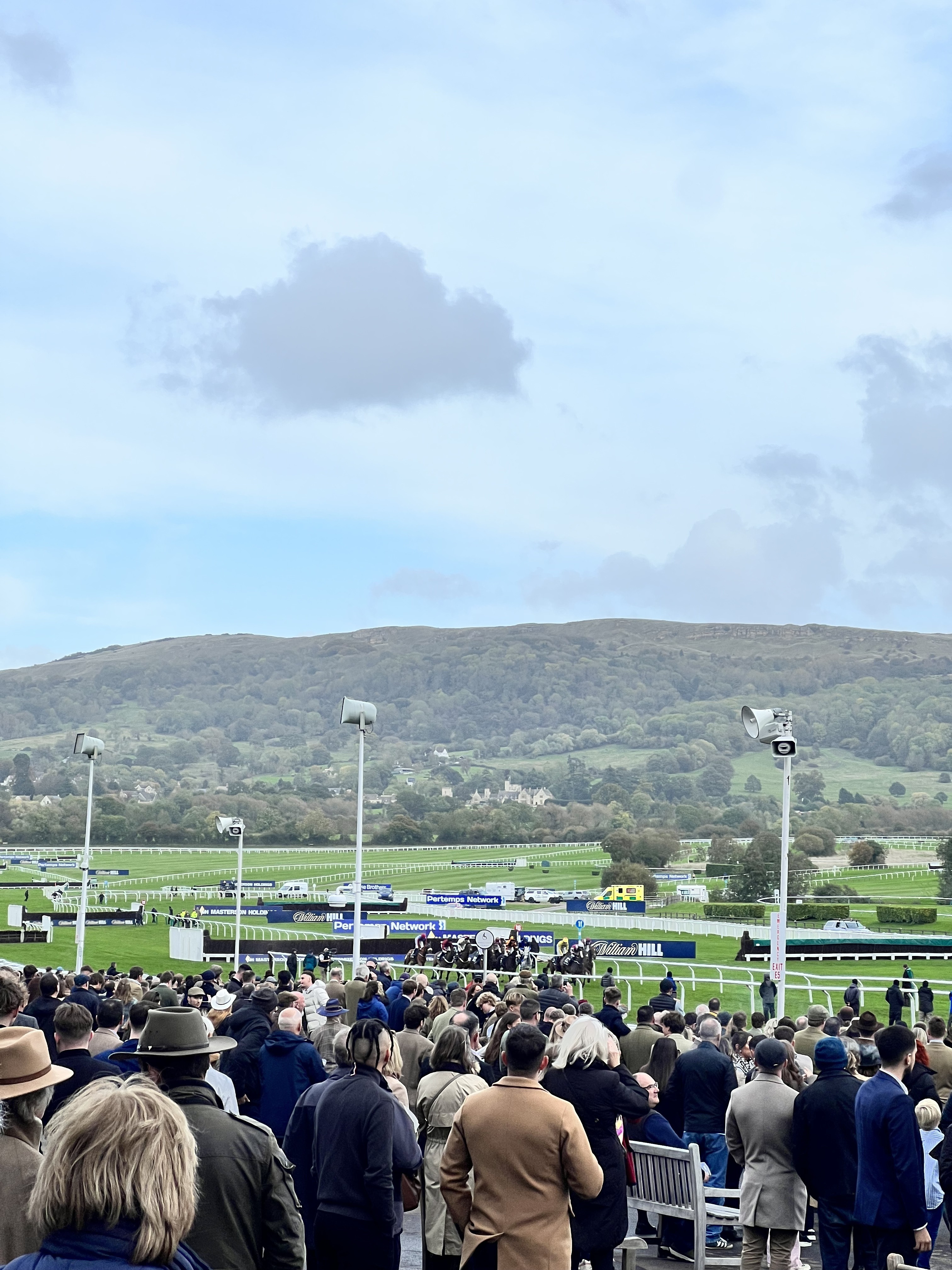
The Cheltenham Festival is one of the most prestigious events in horse racing, drawing thousands of spectators and the best competitors from Britain, Ireland and, occasionally, France. For the horses, raceday is a meticulously managed routine, ensuring they arrive at the start line in peak condition. Here’s a look at what a racehorse experiences on the big day.
1. Travel and Arrival at Cheltenham
Many horses stay overnight at the racecourse, while others travel on the morning of the race, depending on the distance from the yard where they’re trained. Their journey is carefully planned to minimise stress and fatigue.
Transportation: Horses travel in specialised equine transporters, ensuring a smooth ride.
Quarantine and Stabling: On arrival, they are housed in secure stables to settle before the race.
Pre-Race Inspections: Each horse undergoes routine veterinary checks to confirm fitness to race.
2. Raceday Routine
The day begins early, with stable staff and trainers ensuring the horse is comfortable and ready for competition.
Early Morning Exercise: Horses are taken for a light trot or canter to loosen up.
Grooming and Final Checks: Grooms meticulously prepare the horse, ensuring they are in pristine condition.
Pre-Race Feeding and Hydration: Carefully measured feeds maintain energy levels without making the horse sluggish.
Walk to the Parade Ring: Just before the race, the horse is saddled and led to the parade ring, where connections and racegoers get their first glimpse.
Meeting the Jockey: The jockey receives final instructions from the trainer before mounting up for the race.
3. The Race Itself
As the atmosphere builds, the horse steps onto the track, ready to compete on one of the biggest stages in racing.
The Start: Horses make their way to the starting line, under the watchful eye of handlers and starting officials.
The Competition: Over the course of the race, the horse will navigate challenging fences or hurdles, competing against the best in the sport.
The Finish Line: Whether they cross the line as a winner or not, every horse is given a post-race check to ensure they have finished safely and in good health.
4. Post-Race Recovery and Care
Regardless of the outcome, immediate post-race care is crucial for the horse’s well-being.
Cool Down and Hydration: After exertion, the horse is cooled down with a walk and given water and electrolytes to aid recovery.
Vet and Physiotherapy Checks: Horses are examined for any signs of injury or fatigue, and some may receive physiotherapy treatment.
Rest and Return to Stable: Once the race is over, the horse returns to its stable to rest and recover.
Travelling Home: Some horses will travel back later that day and some may stay overnight to travel back with a stablemate racing the next day.
Raceday at the Cheltenham Festival is a carefully orchestrated process that ensures every horse is prepared, monitored, and cared for at every stage. From early morning preparations to post-race recovery, each horse's experience is managed by a dedicated team ensuring they perform at their best while maintaining their welfare. Whether they secure victory or not, their journey through race day is a testament to the sport’s dedication to excellence and care.