

Racing blog
The Work Begins Again as the New Year Arrives
Thursday 15 January
2026
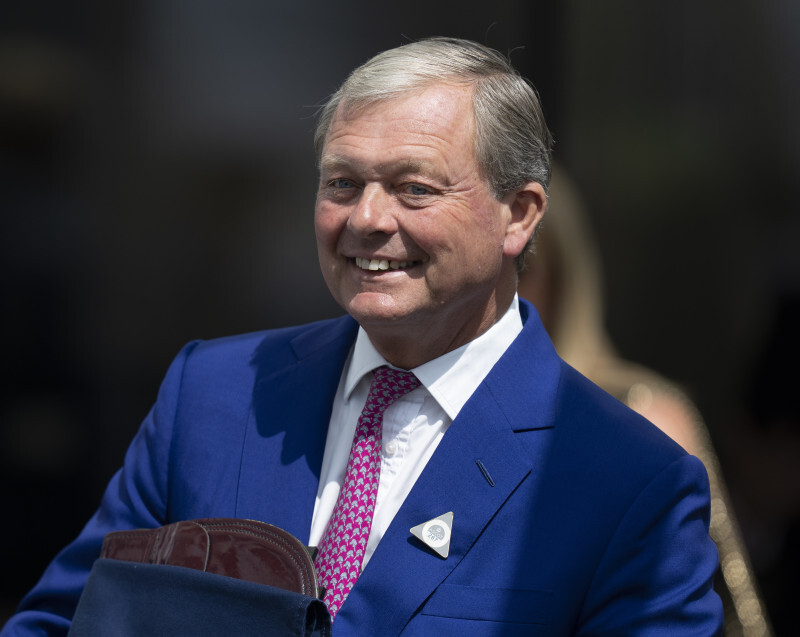
The turn of the year is not marked by fanfare for Flat horses, but it is nonetheless significant. As January unfolds, yards across the country move from winter maintenance into something more purposeful. Horses that enjoyed a short break in late autumn are back in training, routines are re-established, and the long preparation for the turf season begins in earnest.
On the gallops of Newmarket, the rhythm is already familiar. Strings are steadily lengthening their work, not chasing speed but rebuilding the foundations that will carry horses through a full campaign. The leading trainers set the tone. Operations run by John Gosden, Charlie Appleby and William Haggas are well used to managing large teams at different stages of readiness, while in Ireland Aidan O’Brien is already building depth for the season ahead.
That preparation is not confined to Britain. Increasingly, winter racing in Dubai and Bahrain has become an integral part of the Flat landscape. Many of the bigger yards have sent selected horses to compete abroad, keeping them in full work while taking advantage of better ground, reliable weather and strong prize money. It is a split operation now: some horses remain in winter training at home, others are already sharpening themselves under floodlights at Meydan or in the Gulf heat. This year, the likes of Dylan Cunha, Charlie Fellowes, George Scott and James Owen have joined the bigger yards in having runners in the UAE and beyond.
The jockeys reflect that same division. A number are riding internationally through the winter - such as Richard Kingscote, Tom Marquand, Hollie Doyle and Oisin Murphy, while others remain active on the domestic all-weather circuit, where race fitness and sharpness can be maintained when turf racing takes a break. Yet even the busiest riders will be back riding out Flat horses on grass through January and February. Those mornings are an important part of the process, allowing jockeys to reacquaint themselves with horses they may partner later in the year and to provide feedback long before declarations are even a consideration.
For the horses, the return from a winter break is methodical rather than dramatic. After time off - usually four to six weeks, depending on the individual - they come back into work quietly. Walking and trotting dominate the early days, followed by steady canters to restore aerobic fitness and strengthen muscles and joints. Only after several weeks will trainers introduce faster work, often in short bursts, and even then the emphasis is on control rather than speed.
From the first day back to race-ready typically takes around three months. Some horses will need longer, particularly those with autumn campaigns or physical issues to manage. Others, especially older handicappers or winter performers, may progress more quickly. The art lies in judging the individual rather than forcing a timetable.
By the time April arrives and the turf season formally resumes, the hard decisions will already have been made. Which horses are forward enough to run early, which are better served by patience, and which might be aimed abroad or at specific meetings. January may look quiet on the fixture list, but it is one of the most consequential months of the year - not for headlines, but for setting the structure of everything that follows.