

Racing blog
The History of Retained Jockeys in Horse Racing
Friday 09 May
2025
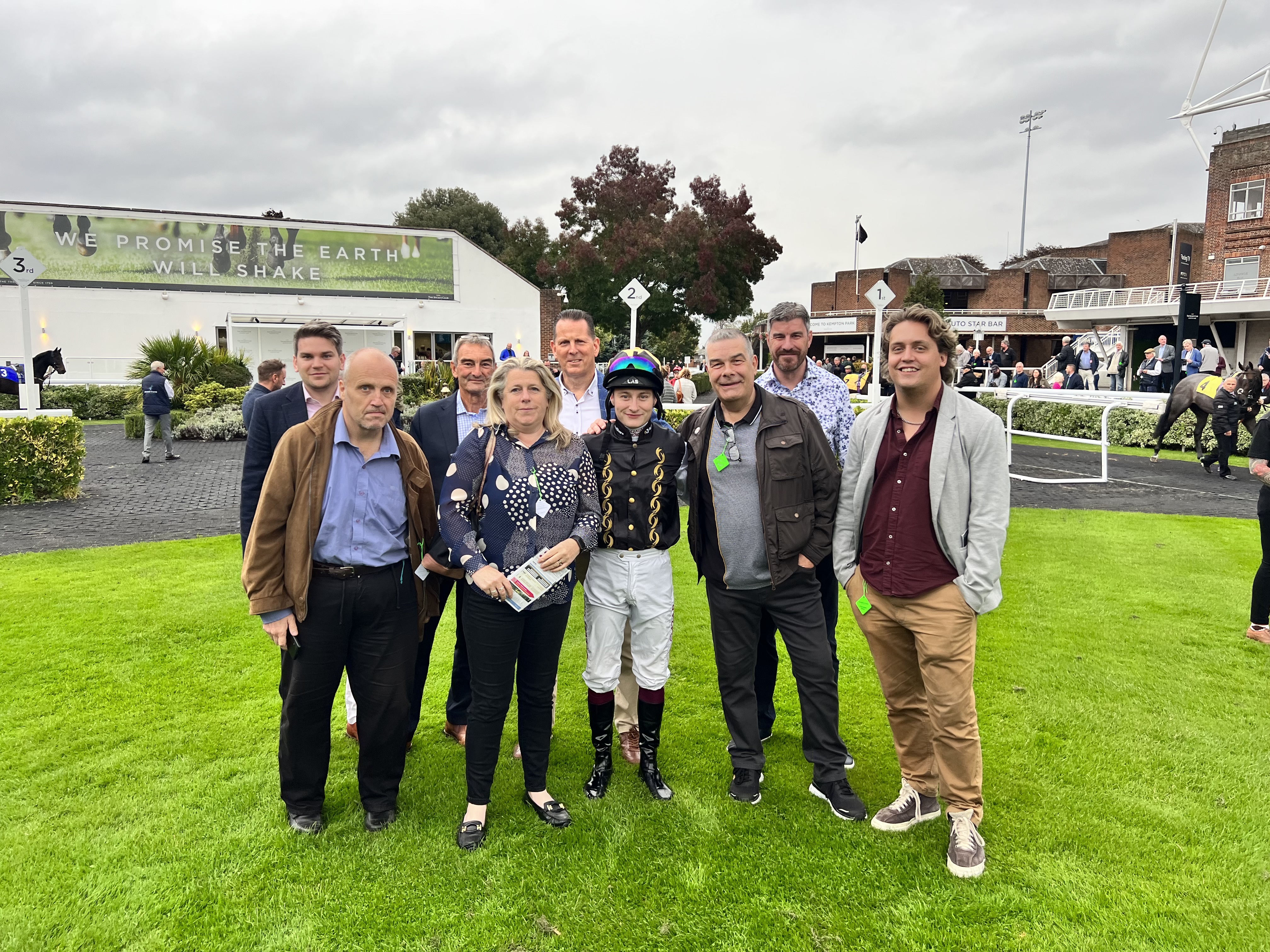
In the intricate world of horse racing, the relationship between jockeys and owners has evolved significantly over the centuries. One notable development in this dynamic is the concept of the "retained jockey"—a rider contracted to prioritise mounts for a specific owner or stable. This article delves into the origins, evolution, and contemporary significance of retained jockeys in the sport.
Origins of Retained Jockeys
The practice of retaining jockeys dates back to the 19th century, a period when horse racing was solidifying its status as a professional sport. Owners and trainers recognised the value of securing the services of top riders to gain a competitive edge.
One of the earliest and most renowned retained jockeys was Fred Archer, who, in the 1870s, became the retained rider for Lord Falmouth. Archer's association with Falmouth led to numerous classic victories, including multiple wins in the 1,000 and 2,000 Guineas. His retainer was reportedly a nominal £100, but the partnership's success underscored the strategic advantage of such arrangements.
Evolution Through the 20th Century
As horse racing progressed into the 20th century, the concept of retained jockeys became more structured. Contracts were formalised, detailing obligations, financial terms, and expectations. This period saw several notable retained partnerships:
Michael Beary served as the retained jockey for the Aga Khan in the late 1920s and early 1930s. Beary's tenure included significant victories, such as the 1932 Oaks on Udaipur and multiple Irish Classics. However, disagreements with trainer Frank Butters eventually led to the dissolution of this partnership.
Tom Cannon Sr. negotiated a three-year contract at £3,000 per season with Scottish millionaire George Alexander Baird. This arrangement highlighted the increasing financial value placed on top jockeys.
Modern-Day Retained Jockeys
In contemporary racing, retained jockeys remain integral, especially within elite racing circles. These arrangements often involve substantial financial commitments and are pivotal for strategic planning across racing seasons.
Lester Piggott, one of the most celebrated jockeys in history, had a notable association with the legendary Irish trainer Vincent O'Brien. Their partnership yielded numerous classic victories, including the 1970 Derby with Nijinsky, who became the last horse to win the English Triple Crown. While Piggott wasn't formally retained by O'Brien, their collaboration was so prolific that it mirrored the dynamics of a retained relationship.
Pat Eddery began his career as the stable jockey for Peter Walwyn in 1972, achieving significant success, including his first two classic wins on Polygamy and Grundy. He later joined forces with Vincent O'Brien, riding for owner Robert Sangster, and secured major victories such as the 1982 Derby on Golden Fleece. In the mid-1980s, Eddery became the retained jockey for Prince Khalid Abdullah, riding for trainers like Guy Harwood and Henry Cecil. During this period, he piloted the exceptional Dancing Brave to victories in the King George VI and Queen Elizabeth Stakes and the Prix de l'Arc de Triomphe in 1986.
Sir Anthony McCoy, a legendary National Hunt jockey, was retained by prominent owner J.P. McManus. This partnership yielded numerous high-profile victories, including the 2010 Grand National aboard Don't Push It.
Frankie Dettori's illustrious career includes several high-profile retainers. He was the retained jockey for Godolphin from its inception in 1994 until 2012, during which he secured numerous classic victories. After parting ways with Godolphin, Dettori became the retained rider for Sheikh Joaan Al Thani's Al Shaqab Racing from 2013 to 2018. Subsequently, he formed a successful partnership with trainer John Gosden, riding stars like Enable and Stradivarius. Although not formally retained, their collaboration was pivotal in Dettori's continued success.
William Buick became the retained jockey for Godolphin in 2015, primarily riding for trainer Charlie Appleby. Since then, he has achieved multiple Group 1 victories, including the 2018 Epsom Derby aboard Masar and the 2024 2000 Guineas on Notable Speech. Buick's association with Godolphin has solidified his status as one of the leading jockeys in British flat racing.
Hollie Doyle was appointed as the first retained rider for Imad Al Sagar's Blue Diamond Stud, marking a significant milestone in the inclusion and recognition of female jockeys in top-tier racing roles.
The Role and Responsibilities
Being a retained jockey involves more than just race-day commitments. Responsibilities typically include:
- Regular Training Participation: Riding horses during morning workouts to understand their behaviour and form.
- Strategic Planning: Collaborating with trainers and owners to select suitable races and develop race strategies.
- Brand Representation: Serving as an ambassador for the owner's brand, often participating in promotional events and media engagements.
The Shift to 'Best Available' Riders
While the tradition of retained jockeys has deep roots, there has been a noticeable shift in recent years towards a more flexible approach in selecting riders. Some trainers and owners now prefer to employ the "best available" jockey for each race, rather than relying solely on a retained rider.
A recent example of this shift is the decision by trainers John and Thady Gosden to move away from a retained jockey model. On May 7, 2025, it was announced that Kieran Shoemark would no longer serve as the primary jockey for the Gosden stable. This decision followed criticism of Shoemark's ride on Field Of Gold in the 2,000 Guineas, where the horse finished second after a late run. Thady Gosden stated that the stable would adopt a "best available rider" strategy moving forward, allowing them to select jockeys based on specific race requirements and horse needs.
This approach offers several benefits:
- Flexibility: Trainers can choose jockeys whose riding styles best suit a particular horse or race conditions.
- Performance-Based Selection: Jockeys are chosen based on current form and recent successes, potentially leading to better race outcomes.
- Broader Talent Pool: Access to a wider range of jockeys allows for strategic pairings that might not be possible under a retained model.
However, this strategy also requires careful coordination and communication to ensure consistency and understanding between the jockey, trainer, and horse.
The tradition of retained jockeys has deep roots in horse racing history, reflecting the sport's evolving professional landscape. From the early days of informal agreements to today's formal contracts, these partnerships have been instrumental in shaping racing strategies and outcomes. As the sport continues to evolve, the role of retained jockeys remains a testament to the enduring importance of synergy between rider and owner.
The recent shift by the Gosden stable to a "best available rider" approach highlights the dynamic nature of the sport and the continuous search for strategies that optimise performance and success on the track.