

Racing blog
The Grand National in-depth 2026
Thursday 02 April
2026
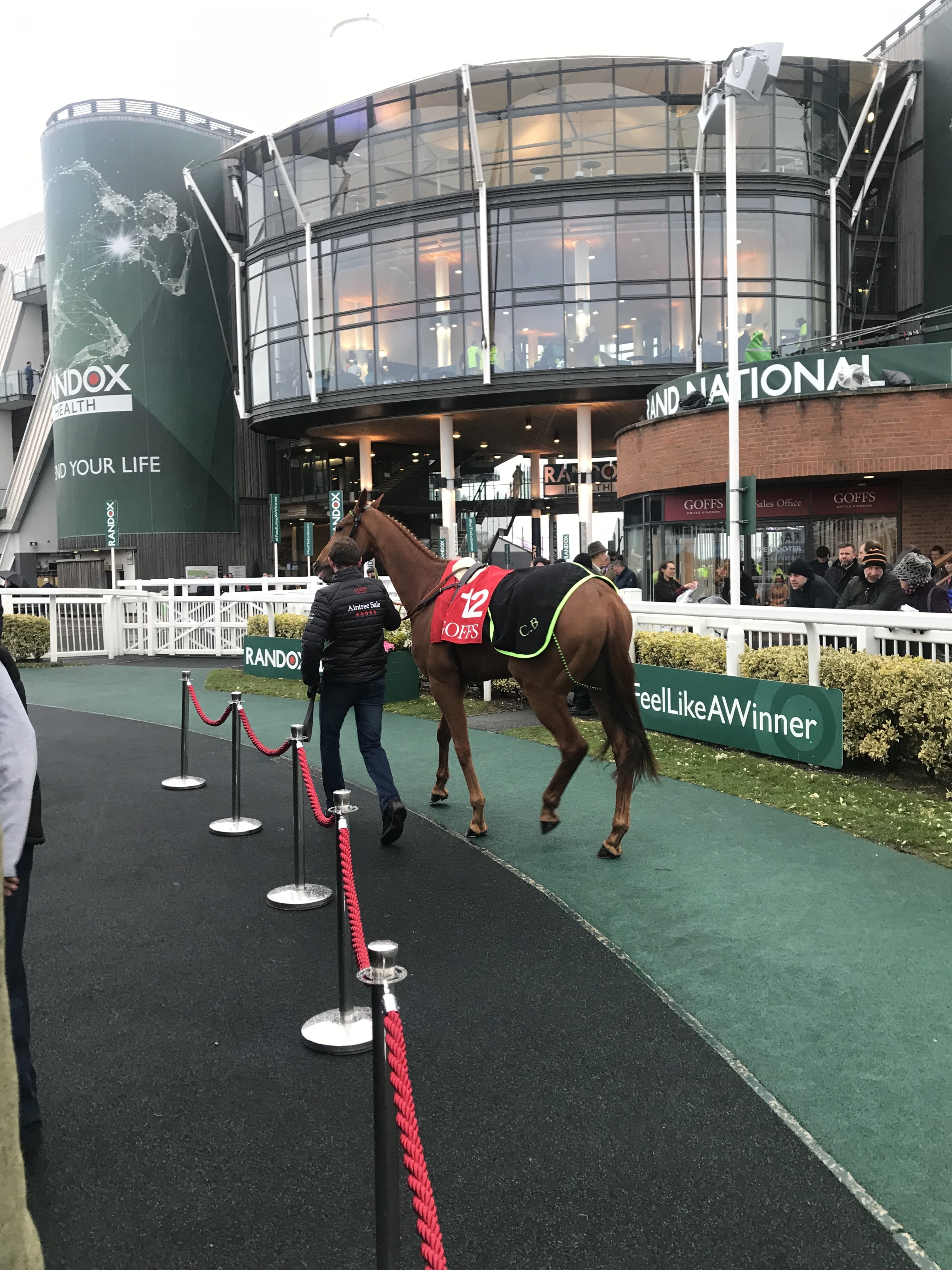
The Grand National resists neatness. It is the only race in which narrative, mythology and modern handicapping coexist uneasily over four and a quarter miles and 30 fences. This year’s renewal, to be run at Aintree on Saturday, feels particularly dense: Willie Mullins brings numerical strength, British yards bring sharper targeting, and the market - as ever - offers the illusion of clarity.
What follows is a reading of the top 20 in the betting, based strictly on the current market shape. Not a list of chances, but an attempt to understand how this race might actually unfold.
The shape of the race
The modern National is no longer a survival test in the old sense. It is a compressed, high-quality handicap where:
- horses rated in the mid-150s and above dominate
- jumping fluency is assumed, not optional
- and pace, positioning and energy distribution matter more than raw stamina
In short, the race is faster, tighter, and far less forgiving of inefficiency.
The Mullins axis: power and pressure
I Am Maximus
Still the most complete National horse in the field. He has already shown he can combine stamina with rhythm over these fences, which remains the central requirement. The burden is obvious: top weight, expectation, and a target on his back in a race that rarely allows repetition of dominance.
The jockey question is instructive. Paul Townend will almost certainly ride the yard’s primary chance, but Mark Walsh will have first choice on the McManus horse, along with possibly new No.1 jockey from next season, Harry Cobden.
Grangeclare West
Third last year, still improving, and exactly the type this race increasingly rewards - one with experience of the fences but without having had everything go right. There is a sense of unfinished business.
If Mark Walsh rides I am Maximus, you would imagine Paul Townend will take this ride.
Nick Rockett
Last year’s winner returns in a deeper race and under greater scrutiny. His profile remains that of a relentless galloper who wastes little energy, but repeat victories in the National era are rare.
Here, sentiment and continuity may matter. Patrick Mullins, who rode him to victory last year, is likely to retain the partnership - and that familiarity could prove significant over these fences.
Captain Cody
Another Mullins runner who fits the staying mould but lacks the immediate class edge of the stable’s headline acts.
This is the type of ride that often falls to a second-string stable jockey - someone like Danny Mullins - tasked with keeping things simple and conserving energy for as long as possible.
The progressive British challenge
Iroko
Perhaps the most compelling British-trained contender. He has the profile that now defines National winners - lightly raced over fences, still improving, and capable of travelling strongly in big fields.
He has been closely associated with Jonjo O’Neill Jr, and it would be no surprise if that partnership is maintained, particularly given the importance of continuity for a horse still learning his trade at this level.
Jagwar
One of the more interesting unknowns, stepping into this trip without having conclusively proven it.
Given the yard, Henry Brooke would be a logical booking - a rider trusted in big staying handicaps and capable of delivering a measured, energy-efficient ride.
Haiti Couleurs
A strong, uncomplicated stayer from Rebecca Curtis’ yard, and exactly the type who benefits from a confident, uncomplicated jockey.
Sean Bowen looks the natural fit here having ridden him in most of his recent starts. His strength in a finish and ability to maintain rhythm over long distances align perfectly with the horse’s profile.
Johnnywho
A lightly raced, potentially well-handicapped runner from the O’Neill yard.
Oscars Brother
A durable, consistent type who will jump and travel but may lack a decisive turn of foot.
Panic Attack
From Dan Skelton’s yard, where jockey bookings are rarely accidental.
Harry Skelton is almost certain to be aboard, and his aggressive but controlled style could be key in ensuring the horse holds a prominent, trouble-free position.
Monty’s Star
A typically strong, methodical type from Henry de Bromhead.
One of the yard's regular riders Darragh O’Keeffe would fit - tactically aware and well suited to horses who need to be delivered late.
The Irish depth beyond Mullins
Gorgeous Tom
An intriguing, potentially progressive runner.
Stellar Story
From Gordon Elliott’s yard, where jockey assignments often reveal intent.
Jack Kennedy would be the expected booking if fit, his ability to balance patience with precision ideally suited to a race of this nature.
Jordans
A solid contender whose chance may depend on race circumstances.
Final Orders
From Gavin Cromwell’s increasingly potent yard.
Keith Donoghue, with his cross-country and stamina credentials, would be a natural fit for a race that rewards unconventional experience.
Gerri Colombe
One of the most fascinating runners - a high-class chaser dropping into a handicap.
Now Is The Hour
Another Cromwell runner with a solid, reliable profile.
Spillane’s Tower
Potentially still ahead of his mark and representing the type of emerging profile that has defined recent winners.
Favori De Champdou
An experienced stayer whose strengths lie in resilience rather than speed.
Sam Ewing or another Elliott stable rider would be a logical fit, tasked with keeping the ride uncomplicated and efficient.
What will decide it
Three factors are likely to shape the outcome more than any individual narrative.
First, positioning. The modern National is not won from last. Horses must hold a place, conserve ground, and avoid traffic.
Second, efficiency of jumping. Not brilliance, but economy. Every extra inch travelled or mistake made compounds over four miles.
Third, energy distribution. Almost all of these horses will stay in theory. Few will arrive at the elbow with enough left to matter.
Conclusion
This is a Grand National defined less by romance than by refinement.
The Mullins battalion brings depth and structure. The British challenge is sharper, more selective. The handicap is tighter, margins thinner.
The jockey landscape only reinforces that complexity. Decisions in the weighing room - who rides what, and why - may prove as decisive as anything that happens on the track.
The temptation is to gravitate toward the obvious - I Am Maximus, or perhaps Nick Rockett - but the National rarely rewards that instinct so cleanly.
Instead, it tends to find the horse that is not only well treated and well prepared, but also perfectly partnered.
And in a race where margins are measured in inches over four miles, that partnership may be everything.