

Racing blog
The Costs of Owning a Racehorse
Wednesday 29 January
2025
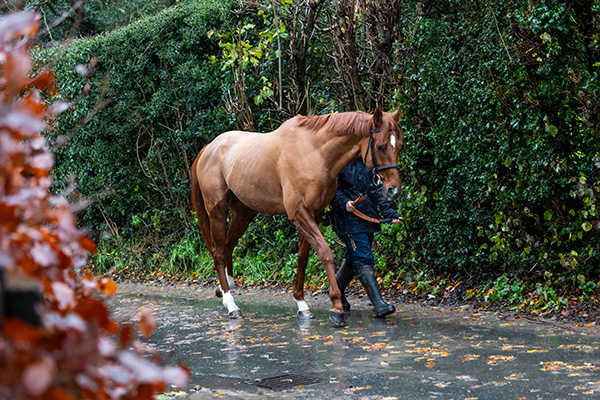
Owning a racehorse has long been considered a dream for many, conjuring images of excitement, prestige, and the thrill of race day. However, the reality of racehorse ownership in the UK comes with significant costs that can deter even the most enthusiastic horse racing fans. Fortunately, fractional ownership through syndicates has emerged as an accessible and cost-effective alternative for those keen to experience the excitement of ownership without the daunting financial burden.
Factors That Determine the Price of a Racehorse
The initial cost of purchasing a racehorse varies widely and is influenced by several factors, including:
Pedigree: A horse's lineage is one of the most significant factors in determining its price. Offspring of successful racehorses, especially those with proven records in Group 1 races, command premium prices at auction.
Race Performance: If the horse has already raced and demonstrated potential on the track, its value increases significantly. Proven performance often reassures buyers of its future prospects.
Training Potential and Age: Younger horses with untapped potential, such as yearlings, may cost less upfront but come with a greater element of risk. Older horses with a record of wins or consistent placings can be more expensive but offer immediate opportunities to compete.
Trainer and Connections: Horses associated with renowned trainers or stables often attract higher prices due to the perception of better preparation and care.
At auction, prices for racehorses can range from a few thousand pounds to several million. However, it’s essential to remember that the purchase price is only the beginning of the financial commitment.
The Costs of Racehorse Ownership
Once you’ve purchased a racehorse, ongoing costs quickly accumulate. Realistically, the annual cost of owning a single racehorse in the UK can be anywhere between £30,000 and £70,000, depending on the chosen trainer, level of competition and the horse’s needs. This figure highlights why outright ownership is out of reach for most enthusiasts and has historically only been for the elite in society. These include:
Training Fees: This is the most substantial recurring cost. Fees vary significantly with some of the top trainers charging over £100 per day to train your horse.
Stabling and Care: Boarding a horse at a professional training yard incurs monthly expenses for stabling, feeding, and day-to-day care.
Healthcare and Insurance: Veterinary bills for routine care, vaccinations, and unforeseen medical issues are unavoidable. Insurance for mortality and injury can also add thousands to annual costs.
Entry Fees and Transport: Participating in races incurs entry fees, which can vary widely depending on the event’s prestige. Transportation to and from racecourses also needs to be factored in.
Miscellaneous Costs: Farrier services, grooming, and other incidentals, such as registering your horse to race with the BHA and jockey silks, all contribute to the overall expenses.
The Benefits of Fractional Ownership Through Syndicates
For those who wish to experience the thrill of owning a racehorse without the high upfront cost and ongoing expenses, fractional ownership through syndicates like RaceShare offers an ideal solution. A syndicate allows multiple people to share ownership of a single horse. By pooling resources, syndicate members can split the costs of purchasing, training, and maintaining the horse. Here are some key benefits:
Affordability: Instead of paying the full purchase price and annual costs, members pay a fraction of these expenses, making ownership accessible to a wider audience.
Shared Risk: The financial risks associated with injury, poor performance, or unforeseen expenses are spread among all syndicate members.
Community Experience: Syndicate members often become part of a close-knit community, enjoying race days together and sharing in the highs and lows of ownership.
Professional Management: Most syndicates are managed by professionals who handle all the logistics, from selecting the horse to coordinating training and race entries. This allows members to enjoy the fun aspects of ownership without the administrative burden.
Proven Bloodstock Buying Teams: RaceShare has a very strong buying team - led by renowned bloodstock investor Patrick Veitch - who've proven they can source high-quality horses. RaceShare’s average purchase price is £80k, much higher than most syndicates.
How to Get Involved in a Syndicate
Getting started with fractional ownership is straightforward. Many reputable syndicates in the UK - like RaceShare - offer opportunities to buy shares in a horse for as little as under £50, with ongoing monthly contributions to cover costs. When selecting a syndicate, consider the following:
Reputation: Research their track record, including their transparency and communication with syndicate members.
Ownership Perks: Some syndicates offer additional benefits, such as exclusive yard visits, access to the parade ring on race days, and regular updates on the horse’s progress.
Financial Terms: Ensure you fully understand the costs involved, including any one-time purchase fees and recurring expenses.
Owning a racehorse in the UK is undeniably an expensive endeavor, but it doesn’t have to be out of reach. While outright ownership demands a substantial financial commitment, fractional ownership through syndicates provides an affordable and accessible way to enjoy the excitement of the sport. By joining a syndicate, you can share in the thrill of watching your horse race while spreading the costs and risks among fellow enthusiasts. Whether you’re a lifelong fan of horse racing or simply curious about the world of ownership, syndicates offer a gateway to this exhilarating experience without breaking the bank.