

Racing blog
September 1 Down Under: The Beginning of the Southern Hemisphere Covering Season
Friday 05 September
2025
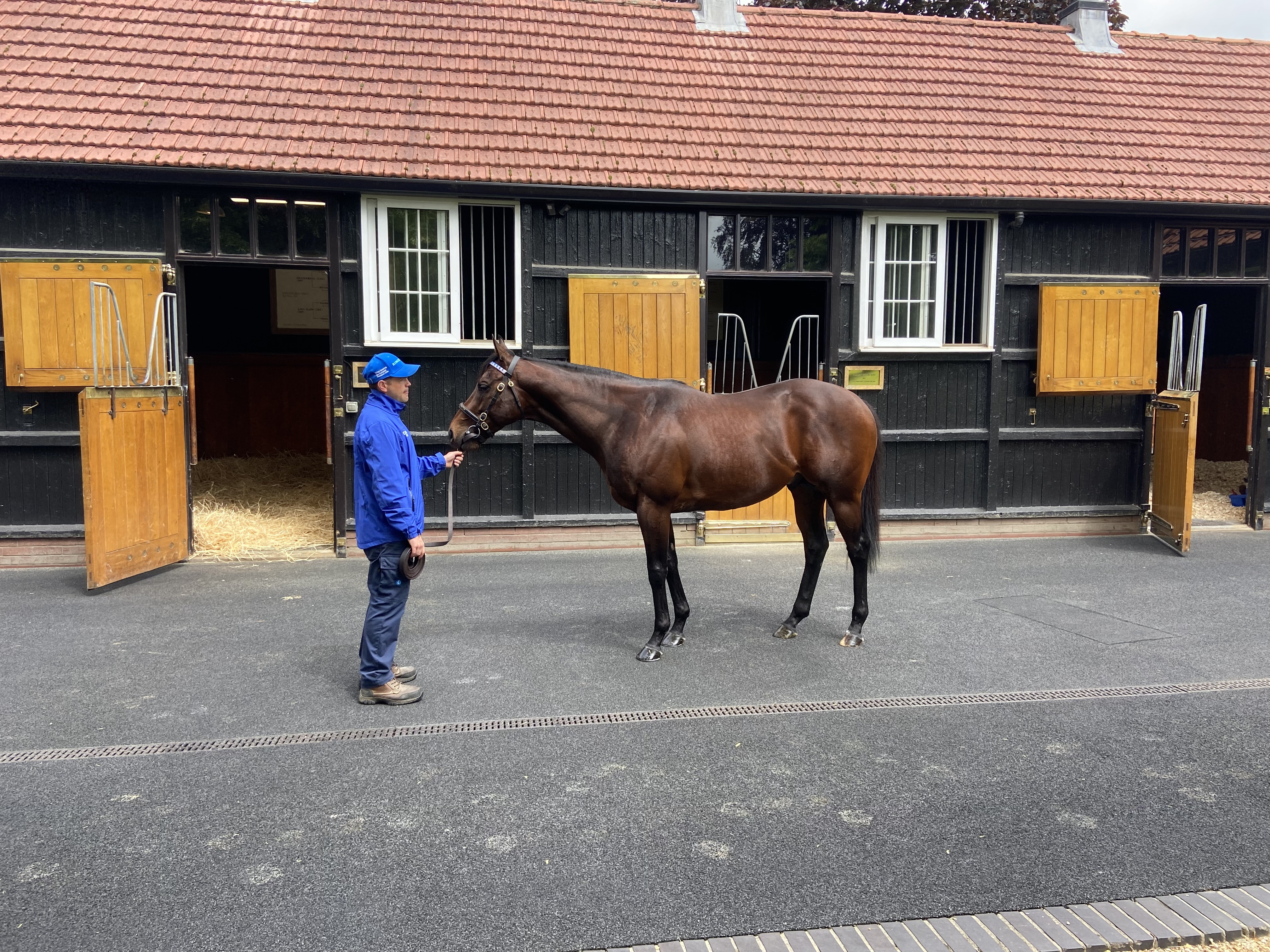
When the coming of spring in the southern hemisphere unlocks the breeding sheds on 1 September, it marks not merely a calendar shift—but a transformation of the breed. For stakeholders accustomed to the February ritual of mating in Britain or Ireland, this date can feel curiously inverted. Yet beneath the surface, it’s simply the other side of the global breeding clock—six months ahead, perhaps, but every bit as crucial.
Why 1 September?
In Australia, New Zealand, South America, and South Africa, thoroughbreds officially become a year older on 1 August, compared with 1 January in the northern hemisphere. So getting mares to the coverposts as early as possible—September 1—is essential. It maximises physical maturity for juvenile and classic opportunities: most notably the Golden Slipper, Victoria Derby, and even the Melbourne Cup.
A Season of Its Own Rhythm
That inversion reshapes the entire southern hemisphere calendar. While European studs close up around June and begin scanning for early pregnancies in the autumn, studs in New South Wales and Waikato are cracking open the vet’s scanner in October and November. When UK studs are sending mares home for holiday, they’re about to be covered Down Under.
UK Stallions Bridging Hemispheres
Though the covering season in the southern hemisphere stands on its own, today it also reflects a deeper global connection through shuttle stallions— top class horses who grace both hemispheres in a single year.
This year, several UK‑based stallions are scheduled to serve mares in Australia this September:
Vandeek, standing at Cheveley Park Stud, is bound for Arrowfield Stud in New South Wales for the 2025 southern season.
City of Troy, the star Epsom Derby winner and highly regarded Coolmore sire, will shuttle to Coolmore Australia, commanding a fee of A$49,500 as part of its 2025 roster.
Too Darn Hot, currently one of the most in‑demand young stallions, will return to Darley’s Kelvinside farm in the Hunter Valley for the 2025 southern season, with a substantial fee of A$275,000.
The roll of honour of shuttling stallions enriches the Australian rosters, while reminding us how connected the two hemispheres have become.
What It All Adds Up To
The southern hemisphere covering season isn’t simply a flash of busy studs—it’s foundational infrastructure. Foals conceived come August and foal in spring on an August 1 "birthday" in the southern system, shaping their readiness for juvenile races and sales like Magic Millions in January. The entire southern sales, racing, and breeding programme pivots from that September 1 trigger.
For breeders who track February foals and Tattersalls autumn yearling sales, it can feel disorienting. But remember: while down under they’re just beginning to breed their three-year-olds—by the time southern foals are in the paddocks, those northern foals are already a year older.
In Summary
Starting 1 September, southern hemisphere studs launch a full-throated breeding season, aligned with spring and an August 1 racing age.
Though distinct in timing, the season resonates globally—fuelled by shuttle stallions like Vandeek, City of Troy, and Too Darn Hot, who carry their pedigree and promise across hemispheres with precision.
The September 1 start doesn’t just structure Australasia’s year—it stitches it into the global tapestry of sales, foal crops, and racetrack narratives.