

Racing blog
Horse Racing’s Unsung Heroes: The People Who Keep the Sport Moving
Thursday 17 April
2025
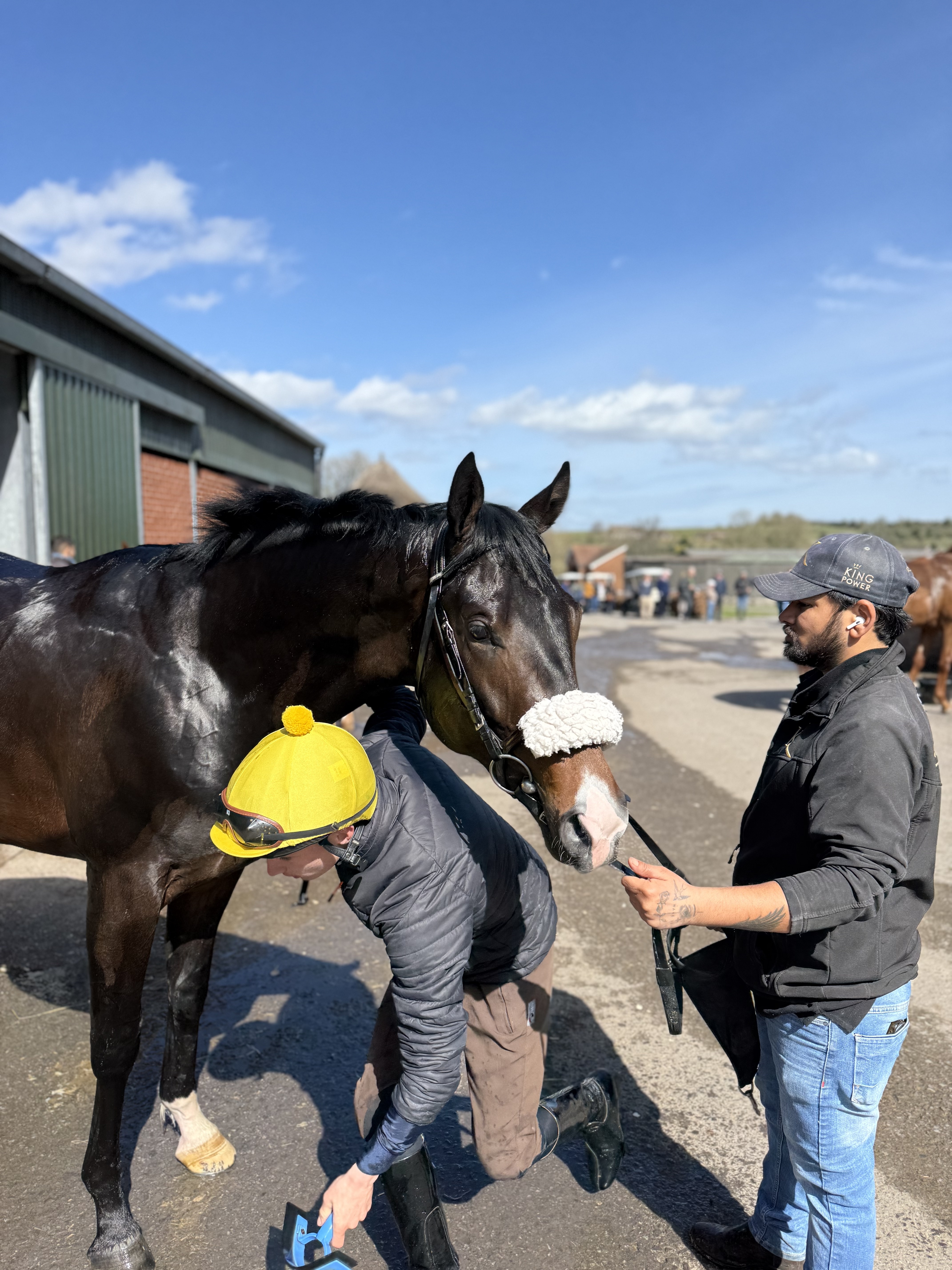
Jockeys grab the headlines. Trainers build reputations. Owners take the trophy. But behind every winner, every morning gallop and every raceday triumph, are the people who rarely get mentioned. Horse racing relies on a huge cast of skilled professionals who work in the shadows — quietly, consistently, and expertly.
From farriers and gallops men to horse transport drivers and feeding staff, these unsung heroes form the backbone of the industry. Here's a closer look at some of the most vital roles you won’t find listed in the racecard.
Farriers – The Footwork Specialists
“If you don’t have a good foot, you don’t have a good horse.”
Farriers play a critical role in a racehorse’s health and performance. Tasked with trimming, balancing, and shoeing horses — often every 4 to 5 weeks — their work prevents injuries, corrects gait issues, and allows horses to perform at their best. They work closely with trainers and vets to address any foot-related problems and are often on call for urgent changes on raceday.
Useful Fact: Some horses wear different types of shoes depending on the going or surface — a decision often made jointly by the trainer and farrier.
Drivers – The Road Warriors
Racehorses don’t just turn up at the track — they have to get there safely, comfortably, and on time. That's where transport drivers come in.
Often travelling long distances at all hours, racehorse transporters must handle highly valuable, high-strung athletes with care. They require knowledge of animal welfare, loading techniques, and regulatory requirements, not to mention top-class driving skills.
On the record: Some horses travel hundreds of miles each week — and a calm, experienced driver can make a huge difference in how well a horse performs after a journey.
Gallops Men – The Keepers of the Surface
The gallops — where horses train every day — must be safe, consistent, and in ideal condition, come rain or shine. Enter the gallops men.
They manage and maintain all-weather and turf surfaces, often working early mornings and in all conditions to ensure the ground is harrowed, watered, and safe to use. Poor gallops can lead to injury or loss of form — making this role essential to every training operation.
Often overlooked: Gallops men are the first on the scene after a hard frost or overnight storm, sometimes working in the dark so that training can proceed at sunrise.
Feed and Bedding Staff – The Routine Keepers
Some yards assign staff specifically to feed, hay, and bed down horses. These individuals are responsible for:
- Weighing and mixing tailored feed
- Monitoring appetite and leftovers
- Keeping stables clean and dry
Feeding and bedding may sound simple, but horses are sensitive creatures. A missed feed, a different texture of hay, or a poorly laid bed can impact performance or mood.
Maintenance Staff – The Fixers
Water troughs break. Paddocks need fencing. Walkers and gates malfunction. Behind the scenes, someone is always repairing, checking, or upgrading something. Maintenance staff in training yards and on racecourses ensure that the facilities meet the high standards needed for both safety and compliance.
Veterinary and Therapy Teams – The Health Network
While vets are more recognised than others on this list, their support teams — including physiotherapists, equine dentists, chiropractors, and lab technicians — often go unseen. They help prevent and treat injuries, manage rehabilitation, and monitor health with advanced diagnostics.
Modern racing relies more than ever on a multidisciplinary approach, involving regular scans, massage, and conditioning — much of which is done quietly and routinely, long before the big day.
Why They Matter
Every one of these roles contributes to a horse’s performance. The team behind the horse — beyond the trainer and jockey — is extensive, skilled, and essential.
And yet, many of them never see the winner’s enclosure. They’re back at the yard, prepping for tomorrow, cleaning stables, or driving through the night to get the next runner to the track.
Final Word
Horse racing is often called “the sport of kings,” but it runs on the graft of everyday professionals — those who work hard when no one’s watching, and who take pride not in applause, but in doing the job right.
Next time you see a horse cross the finish line, think of the ones who got them there. They may never step onto the podium, but they help make racing possible, every single day.