

Racing blog
Beginner’s guide to the training of racehorses
Tuesday 19 November
2024
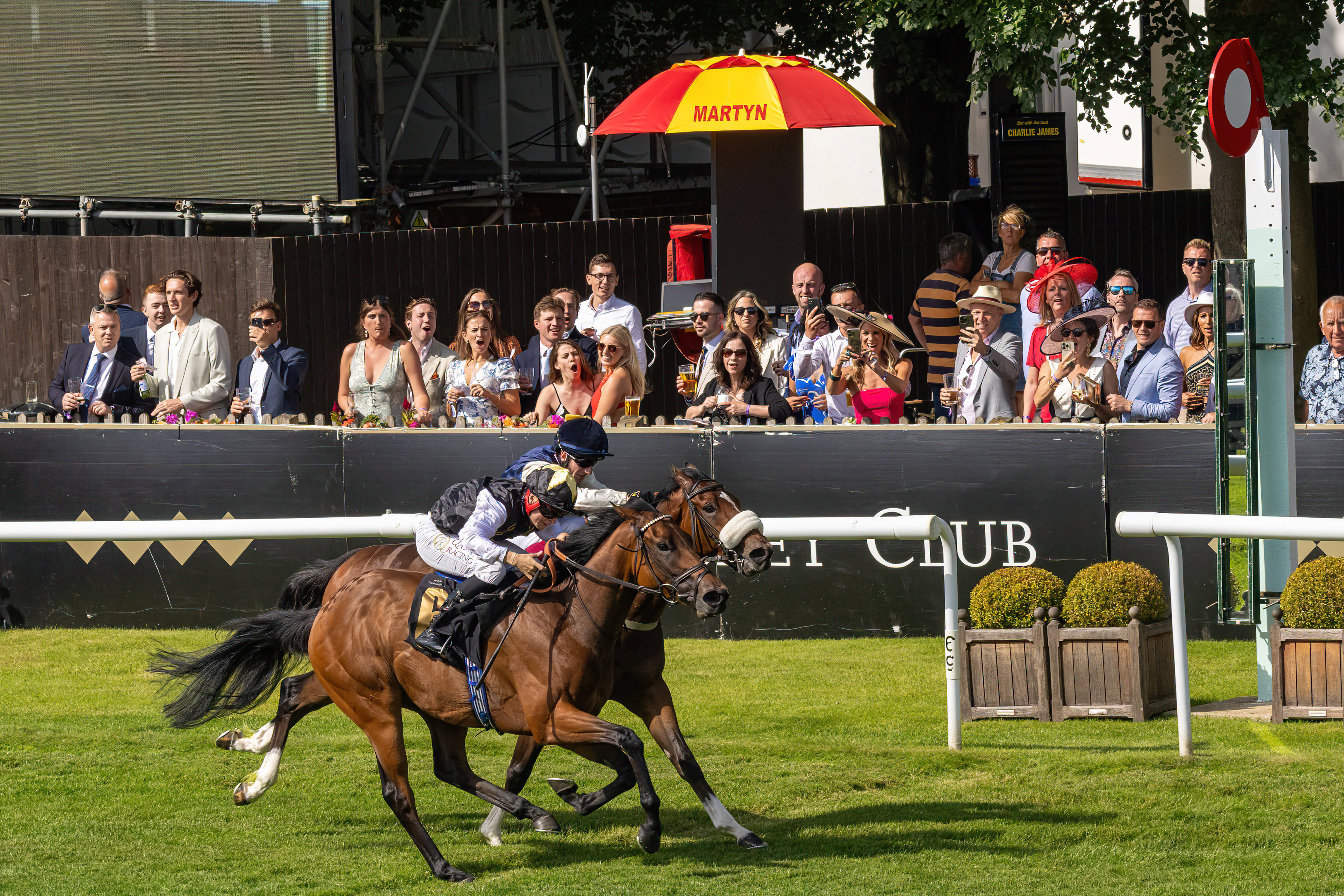
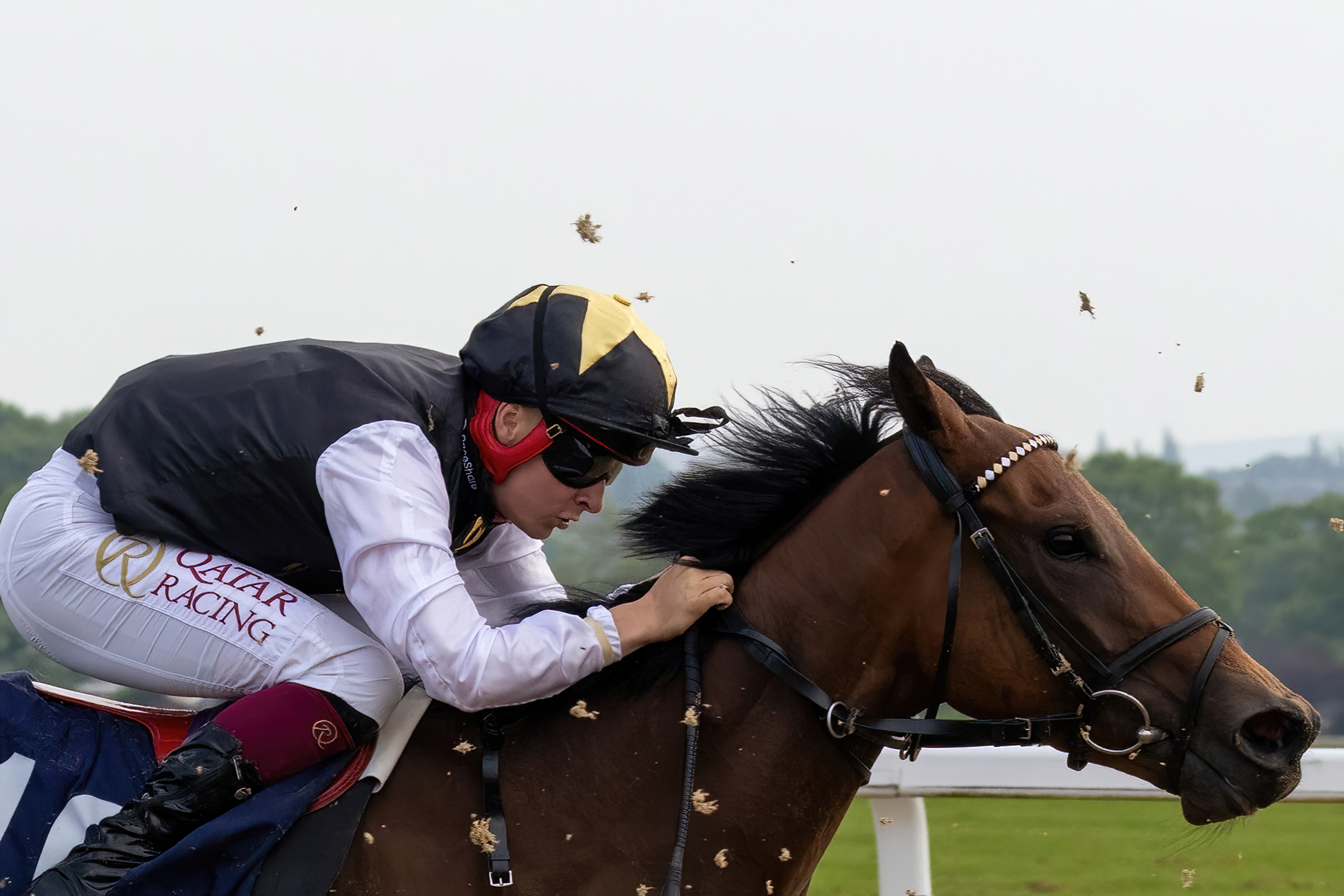
Training a racehorse is a meticulous process that combines science, art, and a deep understanding of equine physiology and psychology. The objective is to develop a horse's speed, endurance, and agility while ensuring its overall well-being.
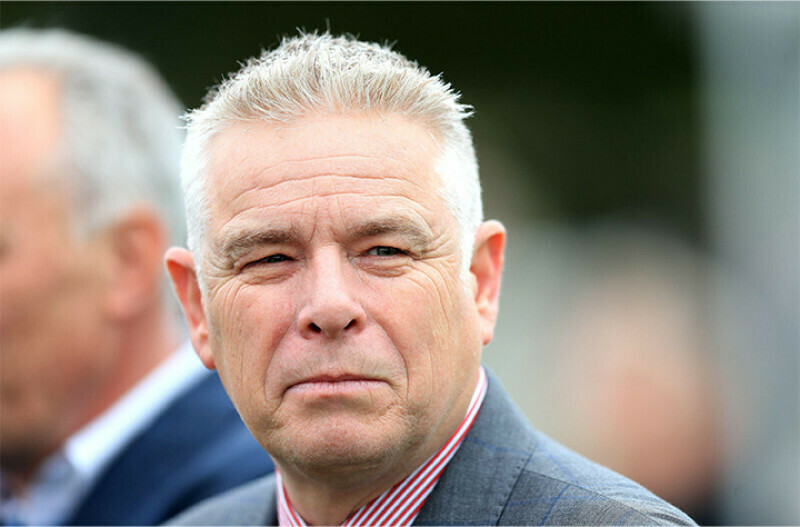
We asked RaceShare trainer Stuart Williams to detail the main aspects and he said:
“With every horse, we try to train them individually, but in order to do that, we have to begin with a set pattern for the whole string to achieve basic levels of fitness, comprising trotting and steady cantering.
“During that process, we monitor the horses for fitness and soundness levels - and what they enjoy - for example: some prefer training on turf more than polytrack (synthetic surface), and round a bend or uphill.
“All those things are mixed in to form a training regime that suits the horse, individually. Some horses might go better up the hill, so their routine is tailored accordingly.
“Some horses also need more work than others, so we might send some horses an extra furlong on the gallops, for example.
“By the time we get to the stage of doing more work (sending them up the gallops faster than general exercise), we have a good idea of where they are.
“By the time they get to the track, training takes on a new layer because we are then adjusting what we do with them at home depending on what they do on the track. It’s a trial and error situation based on how they run and taking into account jockey feedback.”
There are four key stages in the training process, outlined below:
- Early Development and Foundation
Training typically begins when the horse is a yearling (one year old), focusing on building a solid foundation:
Ground Training: Introducing basic commands and getting them used to their surroundings.
Lunging: Teaching the horse to respond to voice commands and body language while moving in a circle, enhancing balance and obedience.
Acclimatisation to Tack: Gradually introducing tack such as the saddle and bridle, and then a rider, to ensure comfort and acceptance.
- Building Fitness and Endurance
Developing cardiovascular fitness and muscular strength is crucial:
Slow Work: Initial stages involve walking and trotting to build muscular strength and minimise injury risk.
Pace Work: Progressing to cantering and galloping at controlled speeds to enhance stamina and speed.
Interval Training: Incorporating multiple workouts with rest periods to improve aerobic capacity and muscle adaptation.
- Mental Conditioning
A racehorse's mental state is as important as its physical condition:
Exposure to Race Environments: Introducing the horse to crowds, starting gates, and other race-day elements to reduce anxiety.
Consistent Routine: Maintaining a regular training schedule to provide stability and predictability.
- Nutrition and Health Care
Proper nutrition and health care are foundational:
Balanced Diet: Providing a diet rich in essential nutrients to support energy needs and recovery.
Regular Veterinary Check-ups: Ensuring the horse remains healthy and addressing any issues promptly.
Training a racehorse requires patience, consistency, and a tailored approach to each horse's unique needs.
Frankel, one of the greatest British racehorses, was trained by the legendary Sir Henry Cecil. His handling of Frankel set a benchmark in British racing for the meticulous and individualised training of elite racehorses. His ability to balance Frankel’s natural speed with a well-rounded training program focused on endurance, mental conditioning, and health proved transformative. Today, Cecil’s training of Frankel is celebrated as a shining example.
The result was an unbeaten career. Frankel’s 14 consecutive wins include major races such as the 2000 Guineas, Queen Elizabeth II Stakes, and Champion Stakes, where he displayed unprecedented speed, stamina, and consistency.