

Racing blog
A Day in the Life of a Stable Groom/Work Rider: The Unsung Heroes Behind Every Racehorse
Thursday 10 April
2025
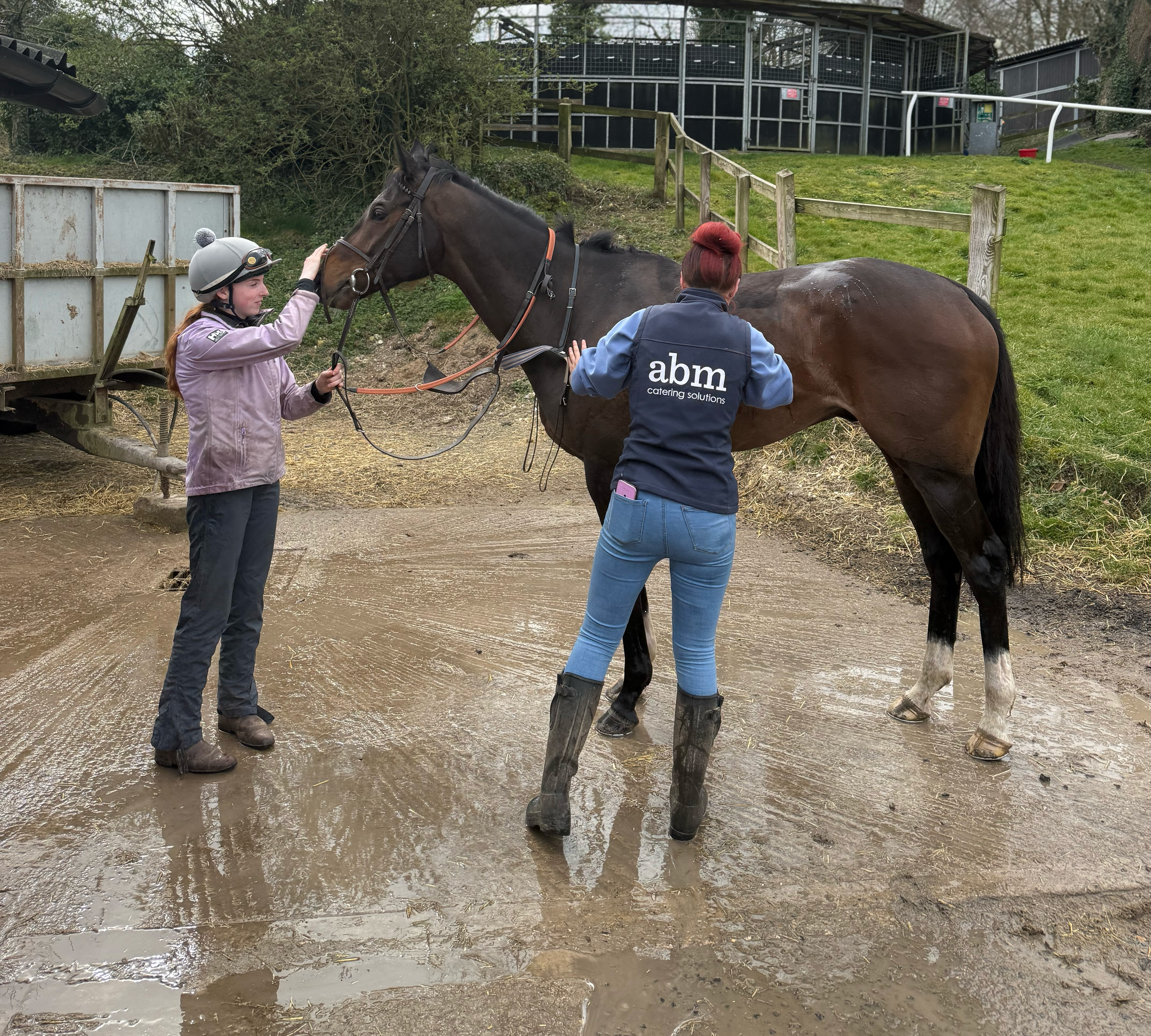
Behind every racehorse charging up the finishing straight is a team of dedicated people — and at the heart of that team are the stable staff. Whether referred to as a stable groom or work rider, these are the individuals who care for racehorses around the clock, building bonds that can’t be measured by stopwatch or racecourse performance.
Their days start before sunrise, end long after the last race is run, and involve a deep mix of physical work, emotional investment, and horsemanship. Here’s a look at what a typical day might look like for the people who know the horses best.
4:30–6:00am: Early Start
Most racing yards begin their days before 6am. Depending on the size and structure of the yard, staff often arrive to:
- Muck out stables
- Fill haynets and water buckets
- Check legs, temperatures, and general wellbeing
- Feed horses their first meal of the day
Routines are meticulous, and attention to detail is crucial. A small change in behaviour — a horse not finishing its feed or seeming flat — can be the first sign something’s wrong.
7:00–11:00am: Morning Exercise & Gallops
The yard is a hive of activity as horses are exercised. Some staff are designated riders, while others might lead out horses or assist at the gallops.
- Work riders ride 3–4 horses each morning.
- Sessions include warm-ups, cantering, schooling, or timed gallops, depending on the horse’s fitness or race schedule.
- The feedback they give to trainers — about how a horse feels, how it’s moving, or how it’s responding — is vital.
This is where the bond between horse and rider is built. Riders often know a horse’s quirks, habits, and preferred routines better than any jockey.
11:00am–12:30pm: Post-Exercise Care
After work, horses are:
- Washed down
- Rugged appropriately (weather-dependent)
- Turned out or returned to clean stables
Staff clean tack, sweep yards, and check for signs of injury or fatigue. Many will take this time to give horses a fuss or a groom — not just for hygiene, but because it calms horses and strengthens trust.
Midday Break (Varies by Yard)
There’s usually a gap in the middle of the day — time to rest, eat, or sleep — before afternoon stables.
3:00–5:00pm: Afternoon Stables
Horses are checked again, often walked out, fed, and bedded down for the night.
If a yard has runners at the races that day, some staff will accompany them. Stable staff are responsible for transporting, tacking up, and leading in runners, as well as cooling them down post-race.
The Human-Horse Bond
Stable staff are usually the people who spend the most time with each horse. Many refer to horses they care for as “their horse” — and not without reason. They:
- Know their feeding habits
- Notice mood changes
- Celebrate every little improvement
- Feel every disappointment
When a horse wins, it’s not just a victory for the owner or trainer — it’s a moment of pride for the person who’s been there every step of the way.
In many top yards, it's the same staff member who looks after a horse from the day they arrive to the day they retire. That continuity can be crucial to a horse’s wellbeing and success.
Recognition & Realities
Stable staff work long hours, often in all weather, for modest pay and little public recognition. However, the sport is increasingly acknowledging their importance:
- Stable Staff Awards, supported by industry groups, offer cash prizes for excellence.
- Racecourses now routinely include stable staff in winner’s photos and presentations.
- Yards compete for ‘Best Turned Out’ awards, honouring the care and pride taken in horses’ appearance.
Stable staff are the beating heart of racing. They don’t just keep the show on the road — they nurture the stars of the sport, day in and day out, often far from the spotlight. Without them, there would be no early-morning gallops, no race-day routines, and no winners’ enclosures. Just horses — and no one to tell them it’s time to run.