

Racing blog
Boxing Day Racing: A Storied British Tradition
Monday 22 December
2025
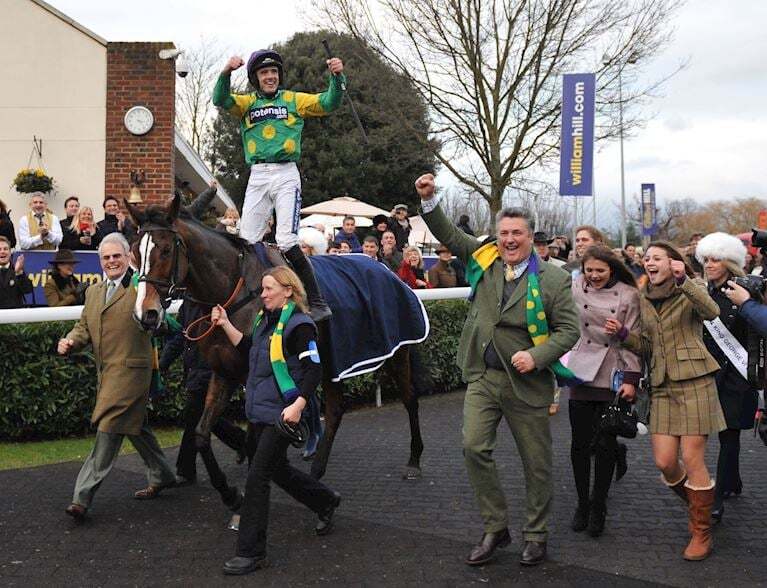
Boxing Day has long been more than a post-Christmas pause; for over a century, it has been synonymous with the thrill of horse racing. From the mid-19th century onwards, racecourses across Britain began opening their gates on December 26, blending festive leisure with the spectacle of the turf. Some historians suggest the timing allowed servants and tradespeople, recipients of traditional “Christmas boxes,” to enjoy the sport, while others see it simply as an opportune moment in the racing calendar.
By the Edwardian era, Boxing Day meetings had become major social events. Newmarket, Kempton, and Doncaster drew crowds eager to escape post-Christmas monotony. The races offered a rare intersection of classes, where landed gentry mingled with the emerging middle class, united in the excitement of the track. Betting was part of the thrill, but so too was the sense of communal festivity.
The mid-20th century brought greater visibility. Televised coverage transformed Boxing Day racing into a national spectacle, while evening floodlit meetings made urban courses accessible to a wider public. The pageantry - jockey silks, stewards’ hats, mulled wine and mince pies - ensured that the races retained a distinctly seasonal charm.
Today, venues such as Kempton, Wincanton, and Aintree continue to host Boxing Day meetings that combine high-calibre racing with holiday cheer. Beyond tradition, the fixtures are often critical for trainers and jockeys, serving as benchmarks in the run-up to the new year. The enduring popularity of the day reflects a uniquely British intertwining of sport, social ritual, and seasonal celebration.
Boxing Day racing is, in essence, a living cultural artefact. It connects spectators to generations past, uniting excitement, history, and festivity in a manner few other traditions achieve. On a cold December afternoon, the thundering of hooves across the track is more than sport; it is a reminder of a holiday ritual that continues to capture the national imagination.