

Racing blog
From Deauville Millions to Doncaster Speed: The Yearling Sales Season Moves to Goffs
Wednesday 26 August
2026
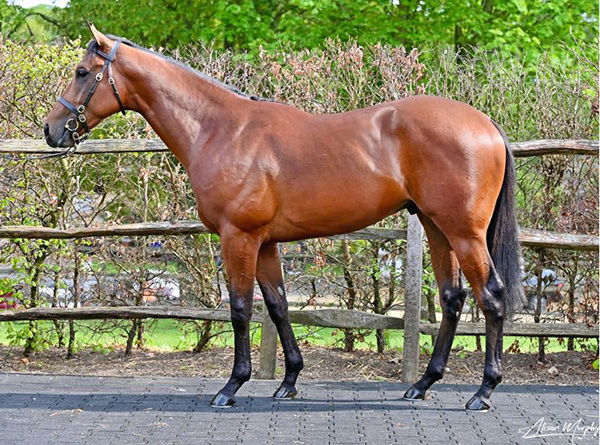
The European yearling sales season has moved from the glamour and extraordinary spending of Deauville to a rather different marketplace at Doncaster.
At the Arqana August Yearling Sale, buyers were shopping for potential Derby horses, Arc winners and future stallions, and this year's sale reached unprecedented heights. The headline act was a €4.6 million Wootton Bassett colt, while Godolphin embarked on a spending spree worth more than €13 million. In all, 236 yearlings sold for €65.53 million, at an average of €277,682 and median of €160,000.
At the Goffs Premier Yearling Sale taking place in Doncaster this week, the emphasis is subtly different. This is traditionally a hunting ground for sharp, athletic horses expected to run at two - the sort trainers hope will be appearing at York, Goodwood and Royal Ascot within months rather than years.
And after an extraordinary Arqana, there was always going to be considerable interest in whether that strength would carry into the British yearling market.
A €4.6 Million Record Breaker at Arqana
No discussion of Deauville can begin anywhere other than Lot 306, a Wootton Bassett colt offered by Ecurie des Monceaux.
MV Magnier and White Birch Farm eventually secured him for a remarkable €4.6 million, setting a new record for an Arqana August yearling.
The price was extraordinary, but the pedigree explains the fascination.
By the late Wootton Bassett, the colt is out of Deadly Nightshade, a daughter of Justify and a sister to champion stayer Scandinavia. She is also a half-sister to Group 1 winner Above The Curve, while the wider family traces through Galileo mare Fabulous to Giant's Causeway and You'resothrilling - one of the most important modern families associated with Coolmore.
This was therefore much more than the purchase of a prospective racehorse. If he possesses anything approaching the ability suggested by his pedigree and physique, he has the potential to become an extremely valuable stallion.
That helps explain why two of the most powerful forces in international bloodstock were prepared to stretch to a record figure.
Godolphin Makes Its Presence Felt
If Coolmore and White Birch bought the sale-topper, the dominant buying operation across the three days was Godolphin.
Sheikh Mohammed's team spent more than €13 million, with a remarkable concentration on Wootton Bassett and Frankel.
Their biggest purchase was a €2.4 million Wootton Bassett colt out of Miss Lech, consigned by Haras de l'Hotellerie.
Then came a €2.3 million Frankel colt out of Rumbles Of Thunder, the Group-winning Night Of Thunder mare, from Baroda Stud. Godolphin also paid €2 million for a Night Of Thunder colt out of Tagline and €1.7 million for Ecurie des Monceaux's Frankel filly out of Philomene. Those four horses alone accounted for €8.4 million.
The spending was particularly striking because it demonstrated the extraordinary competition at the top of the international market. On the second day alone, Godolphin spent €8.7 million on four yearlings, taking its two-day total to €9.95 million before another series of purchases on the final afternoon.
Godolphin also went to €850,000 for the Wootton Bassett colt out of Prix Vermeille winner Bateel, making him a half-brother to Royal Ascot winner Map Of Stars.
For Darley and Coolmore, the rivalry on the racecourse is being mirrored emphatically in the sales ring.
Seven Figures Almost Became Routine
Such was the strength of trade that million-euro transactions began to feel almost commonplace.
Before the record-breaking finale, the first seven-figure lot had arrived on day one when Anthony Stroud paid €1.25 million for a Justify colt out of Joie De Soir, offered by Fairway Consignment.
Japanese trainer Yoshito Yahagi then went to €1 million for a Siyouni colt closely related to Diamond Necklace, another demonstration of the increasingly international nature of the European yearling market.
Coolmore and White Birch also combined at €1.4 million for a Kingman brother to Prix de Diane winner Sparkling Plenty, while White Birch and Oceanic Bloodstock paid €1.65 million for an Ecurie des Monceaux Siyouni filly.
Amo Racing was comparatively quiet by its recent standards but still made its presence felt, paying €615,000 for a Frankel filly who is a sister to Group 2-placed Pikachu and half-sister to Hoppings Stakes winner Botagoz.
One particularly topical lot was the half-sister to Constitution River, who sold for €430,000 to Hannah Wall. Constitution River himself cost €400,000 at Arqana in 2024, a reminder that today's extravagant-looking yearling purchase can look rather different once its sibling starts winning Group 1 races.
What Arqana Told Us About the Market
The most striking feature was not simply the €4.6 million record.
It was the depth underneath it.
Arqana recorded €65.53 million in yearling turnover, with 236 of the 296 yearlings offered finding buyers - a clearance rate of 79.7 per cent. The average reached €277,682 and the median €160,000.
The very top of the market remains extraordinarily strong when the right horse walks into the ring.
Pedigree matters, but buyers at this level are not spending millions simply because a catalogue page looks attractive. The physical individual has to match it. When an outstanding specimen by Wootton Bassett or Frankel combines with a genuine Classic family, the world's biggest operations are still prepared to compete at almost any price.
That provides the backdrop to Doncaster this week.
Goffs Premier - A Different Kind of Sale
The Goffs Premier Yearling Sale is not trying to be Arqana.
Its great attraction is different.
Premier has established a reputation for producing precocious, fast horses without requiring owners to operate with seven-figure budgets. Its graduates include a long list of Royal Ascot and Group winners, and buyers arrive looking for athletic yearlings capable of getting onto a racecourse early.
That means sires associated with speed and two-year-old performance feature particularly prominently.
Blue Point, Mehmas, Havana Grey, Sioux Nation, Kodiac and the emerging generation of young stallions are exactly the sort of names that attract attention here.
And the opening day produced a particularly appropriate sale-topper.
Happy Romance Comes Full Circle
The headline purchase from the first session was a Blue Point colt out of Happy Romance, bought by Rabbah Bloodstock for £250,000 from Chasemore Farm.
There could hardly be a better advertisement for the Premier Sale.
Happy Romance herself was bought at this sale for just £25,000 in 2019. She went on to become an outstanding racemare, winning the Hackwood Stakes and taking her earnings to around £700,000, as well as finishing second in the Group 1 Al Quoz Sprint.
Her first foal has now returned to the same ring and sold for ten times what she originally cost.
That is precisely the dream Premier sells: finding serious racehorses without paying elite yearling prices.
The £250,000 colt was purchased for Rabbah Bloodstock, with reporting indicating he is destined for trainer Ismail Mohammed.
Plenty of Competition Beneath the Top Lot
The Happy Romance colt was not an isolated result.
A Sioux Nation filly out of Eye Of Envy realised £150,000, while a Mehmas colt out of Guilded also made £150,000.
A Havana Grey filly out of Enchanted Linda brought £140,000, while a Chaldean filly out of Fauvette also reached £140,000.
The first session produced 15 six-figure lots, exactly matching last year's number. Manor House Stables, owned by Michael Owen, was the leading purchaser on day one, spending £654,000 on eight yearlings, while Rabbah spent £540,000 on four.
That is an important distinction from Arqana. Doncaster may not routinely produce multi-million-pound fireworks, but trainers can be extremely active here because the sums allow them to assemble a team rather than put an enormous percentage of a budget into one horse.
A Solid Market - But Buyers Are Being Selective
The opening figures are interesting.
Day one produced turnover of £7.859 million, broadly in line with the corresponding session last year. The average dipped two per cent to £43,906 and the median fell four per cent to £32,000. More significantly, the clearance rate was 81 per cent, down from 88 per cent in 2025.
That suggests a market with plenty of money for the horses buyers genuinely want, but rather less forgiveness for those who fail to meet expectations physically or on pedigree.
It is a familiar pattern in bloodstock sales: strength at the top does not necessarily mean indiscriminate strength throughout.
The £250,000 Blue Point colt shows that buyers will stretch significantly beyond the normal Premier price range for an outstanding individual. At the same time, the softer clearance rate suggests vendors need to remain realistic.
What to Watch as the Sale Continues
The second and final session is taking place today, Wednesday August 26, so the picture is still developing as this is written.
That makes the most interesting question whether the £250,000 Blue Point colt can retain his position at the top of the sale.
There is also the broader battle between the major trainers and agents. Manor House was particularly active on day one, while Rabbah demonstrated that it is prepared to compete aggressively for the standout individuals.
The stallion market is worth watching too. Blue Point has already supplied the sale-topper, while Mehmas, Sioux Nation, Havana Grey and Chaldean all produced six-figure results during the opening session.
And then there are the first-season sires. At this stage of their careers, buyers are effectively voting with their wallets before any of their offspring has reached a racecourse. A strong Premier Sale can materially change perceptions of a young stallion before the major autumn yearling auctions have even begun.
From Deauville Dreams to Doncaster Reality
The contrast between these two sales is part of what makes the yearling season so fascinating.
At Arqana, €4.6 million bought a Wootton Bassett colt whose pedigree already makes him a potential stallion prospect before he has ever worn a saddle. Godolphin spent more than €13 million assembling a collection designed ultimately to compete in the world's greatest races.
At Doncaster, the ambition is no smaller, but the route is different.
Happy Romance cost £25,000 here. Seven years later, after a hugely successful racing career, her first foal has topped the opening session at £250,000.
That is why Premier remains such an important sale.
Arqana is where some of the world's wealthiest owners attempt to buy the next Classic champion. Doncaster is where trainers and owners hope they might find one before everybody else knows what it is worth.
And somewhere among the yearlings walking through the ring this week will almost certainly be a horse we are discussing again at Royal Ascot next summer.